


About Dental Bonding
Dental bonding is a cosmetic and restorative dental treatment that uses a tooth-coloured composite material to improve the appearance of teeth and repair minor imperfections. At Smylo Dental & Implant Center, dental bonding may be considered for concerns such as small chips, minor gaps, uneven tooth edges and certain changes in tooth shape.
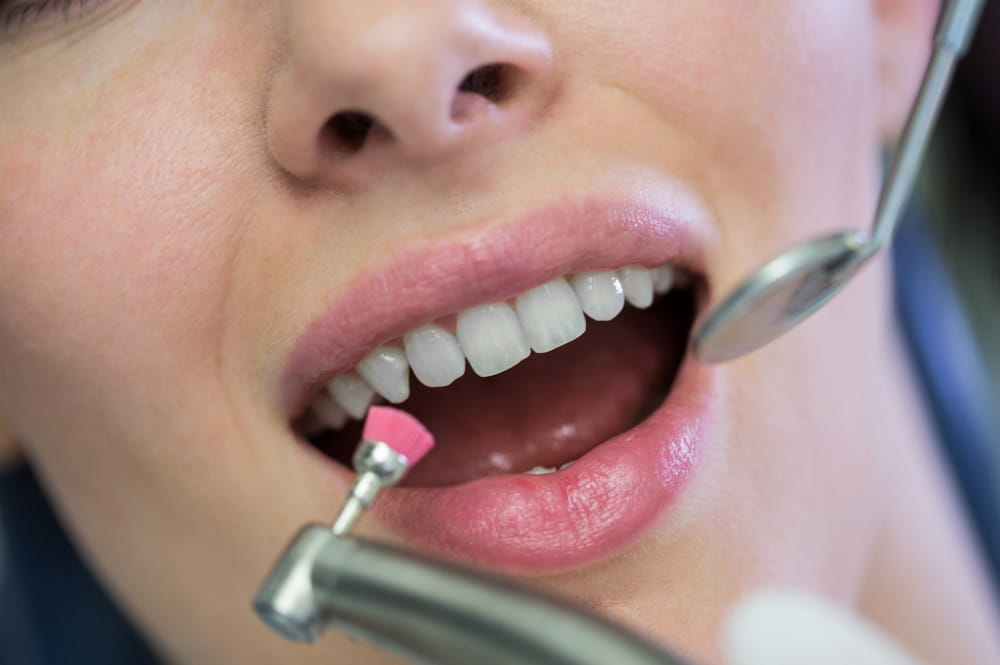
The treatment involves applying a tooth-coloured composite material to the affected tooth, shaping it to achieve the desired appearance, and hardening it with a curing light. The tooth is then finished and polished for a natural-looking result.
Dental bonding can be a suitable option for selected minor cosmetic concerns and may require less alteration of the natural tooth than some other cosmetic treatments. Your dentist will examine your teeth and discuss whether bonding is appropriate for your individual needs.
The specialists with dental bonding Dr. Abhishek Dubey, Dr. Sandeep Dubey, and Dr. Puja Dubey of Smylo Dental and Implant Center always treat every patient with top-notch dental care because of their special approach.
Who May Benefit from Dental Bonding?
People can use dental bonding for several cosmetic concerns such as:
Nevertheless, you should consult with a dentist to see if this procedure will be appropriate for the state of your teeth and the wanted result.
How Does Dental Bonding Work?
Examination & Treatment Planning
Your dentist examines the affected teeth with X-rays to assess bone levels and tooth structure, then plans the most suitable crown or bridge design.
Tooth Preparation
For a crown, the tooth is reshaped under local anaesthesia to create space for the crown. For a bridge, the two adjacent teeth are prepared as abutment teeth.
Impression & Shade Matching
A precise impression or digital scan of the prepared teeth is taken. The shade of your crown or bridge is matched to your surrounding natural teeth.
Temporary Restoration
A temporary crown or bridge is placed while your permanent restoration is fabricated in the dental laboratory — typically taking 5–7 working days.
Permanent Placement
The permanent crown or bridge is checked for fit, bite, and aesthetics before being permanently cemented in place. Final adjustments ensure perfect comfort.
Frequently Asked Questions
Common questions about Dental Bonding at Smylo Dental.
With proper care, porcelain or zirconia crowns and bridges typically last 10–15 years. Good oral hygiene, regular check-ups, and avoiding habits like teeth grinding significantly extend their lifespan.
The tooth preparation is done under local anaesthesia, so you will not feel pain during the procedure. Some sensitivity in the treated tooth for a few days afterward is normal.
A veneer covers only the front surface of a tooth and is used primarily for cosmetic purposes. A crown covers the entire tooth and is used when the tooth is structurally compromised or after root canal treatment.
Yes. Once permanently cemented, crowns and bridges restore full chewing function. You may want to avoid extremely hard or sticky foods to protect the restoration's longevity.
Leaving a gap untreated allows adjacent teeth to tilt and opposing teeth to over-erupt into the space over time. This disrupts your bite, makes cleaning harder, and can lead to bone loss in the jaw.
 Whatsapp Us